


 Prepper
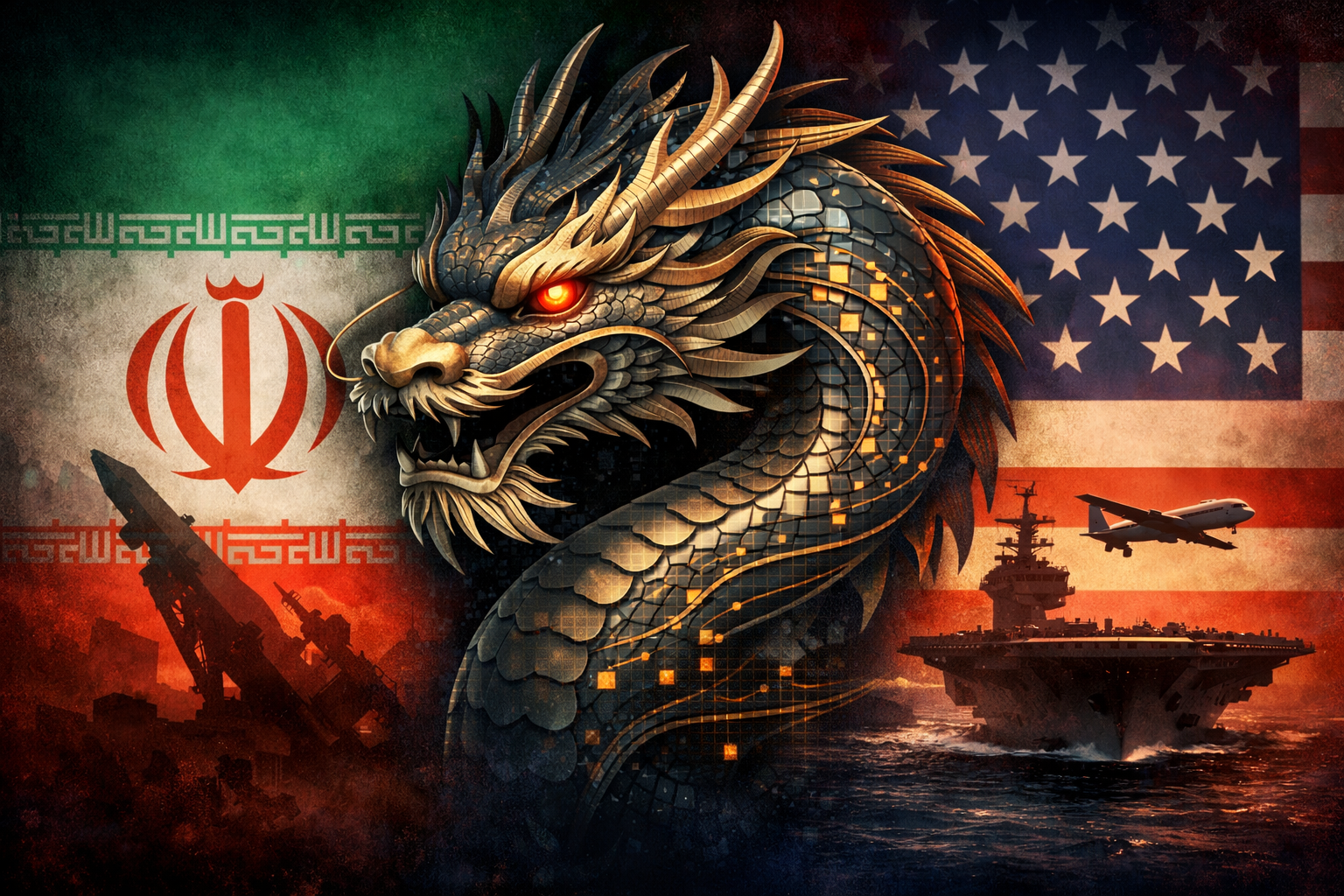
I’ll give you a realistic, neutral geopolitical analysis based on current developments (not hype or doom narratives). Right now, tensions are elevated enough that analysts are actively modelling escalation scenarios.
I’ll break this into:
✅ 1) What is actually driving the US–Iran tension
✅ 2) What makes this different from past crises
✅ 3) China’s real strategic role (this is where it gets interesting)
✅ 4) Possible escalation scenarios
✅ 5) What is most likely vs worst-case outcomes
1) Why are tensions between the USA and Iran rising
Several overlapping factors are converging:
🔴 Nuclear program pressure
- The US and Israel want to prevent Iran from reaching nuclear weapon capability.
- Iran maintains its program is defensive, but enrichment levels worry Western powers.
- Negotiations appear stalled, and the US has increased military readiness in the region. (Atlantic Council)
🔴 Regional proxy conflicts
Iran supports groups across the Middle East:
- Hezbollah (Lebanon)
- Various militias in Iraq/Syria
- Houthis in Yemen
These create indirect confrontation zones between Iran and US allies.
🔴 Sanctions and economic pressure
- US “maximum pressure” policies aim to weaken Iran economically.
- Oil exports are a major battlefield — especially shipments to China. (Reuters)
🔴 Military buildup
- Reports indicate increased US naval and air presence near Iran.
- Analysts say current deployments are larger than routine rotations. (Small Wars Journal)
👉 Translation: this isn’t just rhetoric — there is real positioning happening.
2) Why is this situation more dangerous than past flare-ups
Several structural changes make escalation riskier:
⚠️ Iran’s stronger deterrence
Unlike Iraq or Afghanistan:
- Iran has a large missile arsenal.
- Extensive drone capability.
- Proxy networks across multiple countries.
Experts note a war with Iran would be much more complex and multi-domain. (ORF Online)
⚠️ Oil chokepoint risk
The Strait of Hormuz:
- Handles ~20% of the global oil trade.
- Iran could threaten shipping, triggering a global economic shock. (Wikipedia)
Even the fear of conflict is already pushing oil prices up. (The Guardian)
3) China’s role — and why it matters
China is unlikely to fight militarily — but it is strategically crucial.
Here’s why:
🟡 A) China is Iran’s economic lifeline
- China buys over 80% of Iran’s oil exports. (Reuters)
- This provides Iran with revenue despite Western sanctions.
So:
👉 US pressure on Iran increasingly means pressure on China.
🟡 B) China wants stability, not war
China’s core goals:
- Secure energy supplies.
- Avoid disruptions to trade routes.
- Expand diplomatic influence without military confrontation.
Analysts say Beijing prioritizes stability and oil access over ideological alignment. (Brookings)
Meaning:
👉 China supports Iran economically but avoids open military alignment.
🟡 C) Strategic balancing against the US
China may respond by:
- Opposing US action diplomatically at the UN.
- Increasing economic cooperation with Iran.
- Helping Iran evade sanctions indirectly.
But:
China generally avoids direct military entanglement in Middle Eastern wars.
🟡 D) Larger geopolitical context
This is really part of a bigger triangle:
USA vs China global rivalry.
Iran becomes:
👉 A pressure point in wider US–China competition.
4) Possible escalation scenarios
Here are realistic pathways analysts discuss:
🟢 Scenario 1 — Limited US strikes (most discussed)
US targets:
- Nuclear facilities
- Missile infrastructure
Iran responds:
- Proxy attacks.
- Cyber operations.
- Regional escalation.
China’s response:
- Diplomatic condemnation.
- Continued economic support.
👉 High tension but contained conflict.
🟡 Scenario 2 — Regional war
If escalation spirals:
- Israel is involved directly.
- Hezbollah and Gulf states pulled in.
- Shipping disruptions.
China’s response:
- Strong pressure for a ceasefire.
- Protection of energy flows.
🔴 Scenario 3 — Great-power escalation (least likely)
For this to happen:
- US strikes threaten the Iranian regime’s survival.
- China sees a strategic loss if Iran collapses.
Even then:
China would likely avoid military confrontation unless US actions threatened Chinese assets directly.
5) What is most likely (realistic assessment)
Based on current patterns:
MOST likely:
✅ Continued brinkmanship.
✅ Military posturing + sanctions pressure.
✅ Limited strikes or covert operations possible.
LESS likely:
❌ Full US invasion.
❌ Direct US-China military confrontation over Iran.
China’s strategy historically is:
👉 benefit economically, avoid direct war.
BIG picture insight (what many miss)
This isn’t just about Iran.
It’s about:
- US trying to maintain Middle East dominance.
- China trying to secure energy and influence without fighting.
- Iran leveraging great-power rivalry to survive sanctions.
So the real dynamic is:
👉 A triangular power game, not simply a bilateral conflict.

